

680 S Main St
680 S Main St
A Visual Guide to Reindeer
Reindeer are some of the most fascinating and uniquely adapted creatures in the animal kingdom. From their impressive migrations to their ability to thrive in freezing temperatures, they’ve got plenty of surprises up their hooves.
By the Numbers
HEIGHT - up to 53" tall at the shoulder
WEIGHT - Depending on the time of year, males can weigh up to 550 pounds and females can weigh 300 pounds.
LIFESPAN - 15-18 years in the wild
HERD SIZE - Herds can range from 10 to a few hundred members. During the spring, they may form super herds of 50,000- 500,000 reindeer!
All About Antlers
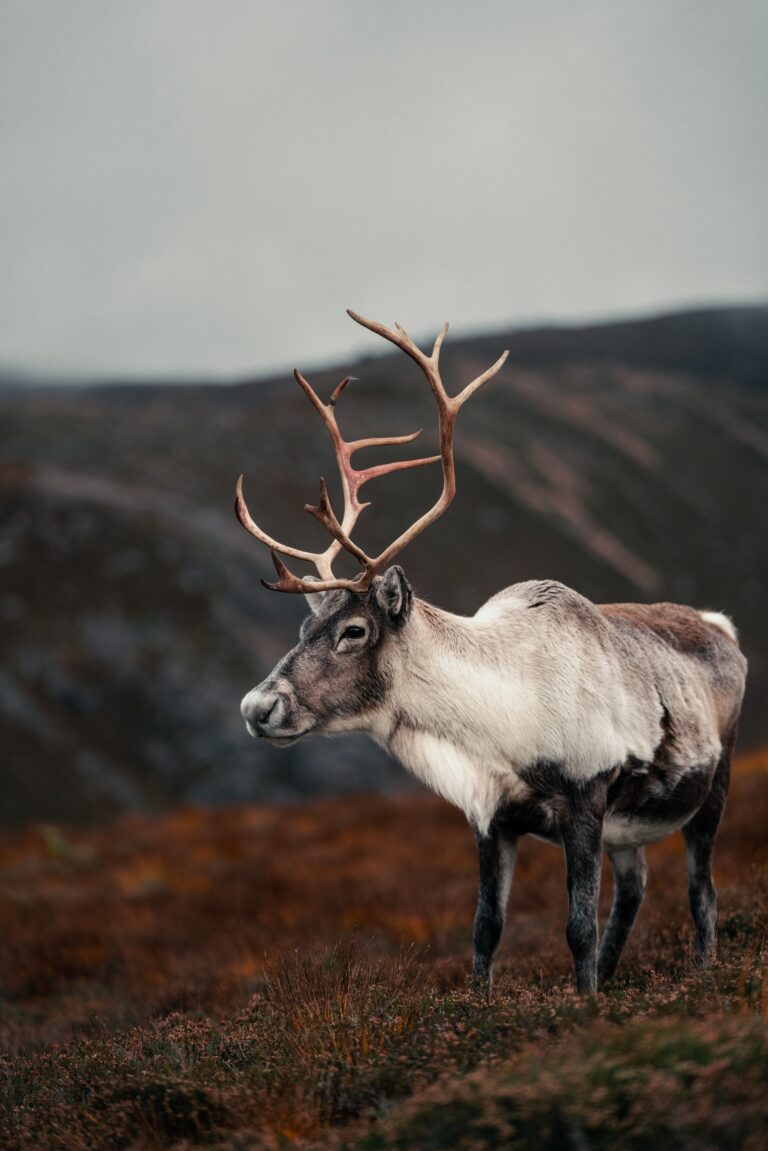
Unlike other deer species, both male and female reindeer grow antlers. Males have larger ones, measuring up to 51 inches long, which they shed in late fall or early winter. Females keep theirs until spring to help defend food sources while pregnant.
Expert Travelers
Reindeer are known for their incredible migrations. In the wild, some herds can travel up to 3,000 miles in a year, following food sources and adjusting to the changing seasons.
Impressive Swimmers
With buoyant coats that trap air in their fibers, reindeer can stay afloat while swimming. They can reach speeds of up to 6 mph, making it easy for them to cross wide, rough rivers during migration.
Eyes for the Season
The color of a reindeer’s eyes changes with the seasons. In winter, they turn blue to improve vision in low light, while in summer, they shift to amber to reduce glare from the sun.
Lichen Lovers
Reindeer are herbivores, primarily feeding on mosses, ferns and grasses. During winter, they rely heavily on a special type of lichen known as “reindeer moss,” which thrives in cold, snowy environments. An adult reindeer can consume up to 18 pounds of vegetation a day!
Red-Nosed Wonders
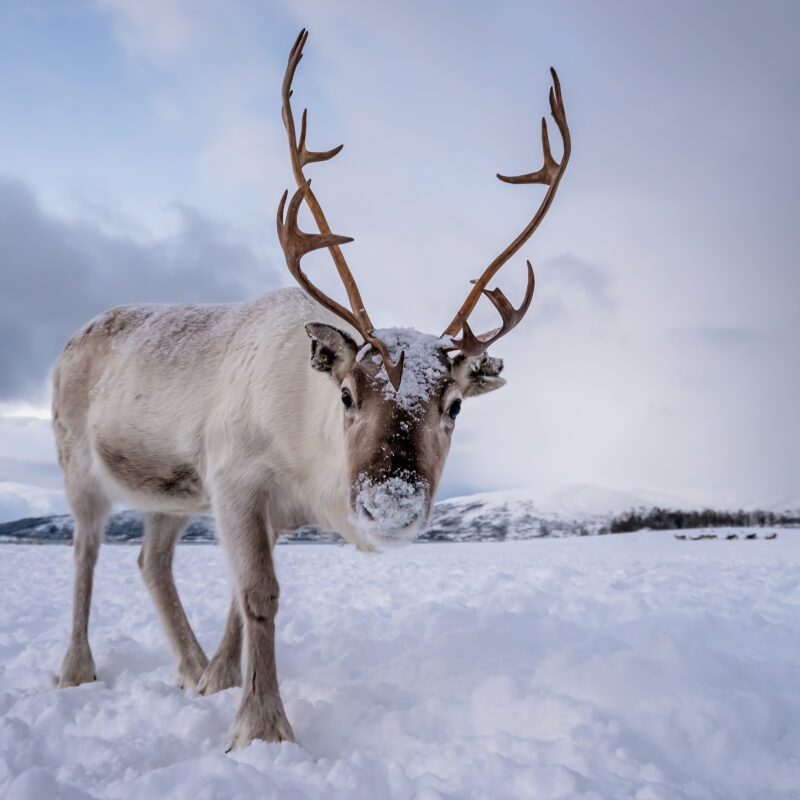
Although they don’t glow, some reindeer do have red noses due to a dense network of blood vessels near the skin’s surface. This unique adaptation helps warm the cold air before it enters their lungs, offering extra protection in freezing temperatures.
Ability to See UV Light
Thanks to their unique ability to see UV light, reindeer can thrive during long, dark winters. Snow, which reflects up to 90% of UV light, looks white to reindeer, while food sources and signs of predators absorb UV rays, making them appear black and easier to spot.
New Season, New Hooves
In winter, a reindeer’s footpads shrink and tighten, exposing the hoof rim to cut into ice and snow for better traction. In summer, the pads become soft and sponge-like, ideal for moving across the soft tundra.
Cindy Forlenzo
Realtor

680 S Main St
Chesire, CT 06410
203-910-4844
cindy.forlenzo@cbmoves.com
https://www.coldwellbankerhomes.com/austin-houston
RES.0811301
I’d love to hear from you! Feel free to send me a message.
Cindy Forlenzo
Realtor