

13131 University Dr
13131 University Dr
Climb Your Way to Fun
Top-rope climbing is one of the safest and most beginner-friendly ways to get into rock climbing. With a rope anchored at the top and a belayer managing your line, you can focus on technique, movement and building confidence without worrying about long falls.
Essential Living does not provide medical advice, diagnosis or treatment. Any information in this publication is not intended as a substitute for medical advice, and you should not take any action before consulting with a healthcare professional.
Gear Up
You don’t need a lot to start, and most climbing gyms provide rentals. You will need:
· Harness – Secures you to the rope and keeps you safe.
· Climbing Shoes – Snug shoes with sticky soles help your feet grip holds.
· Helmet – Essential outdoors to protect against falling debris.
· Chalk and Chalk Bag – Keeps hands dry and improves grip.
· Carabiners
· Belay Device
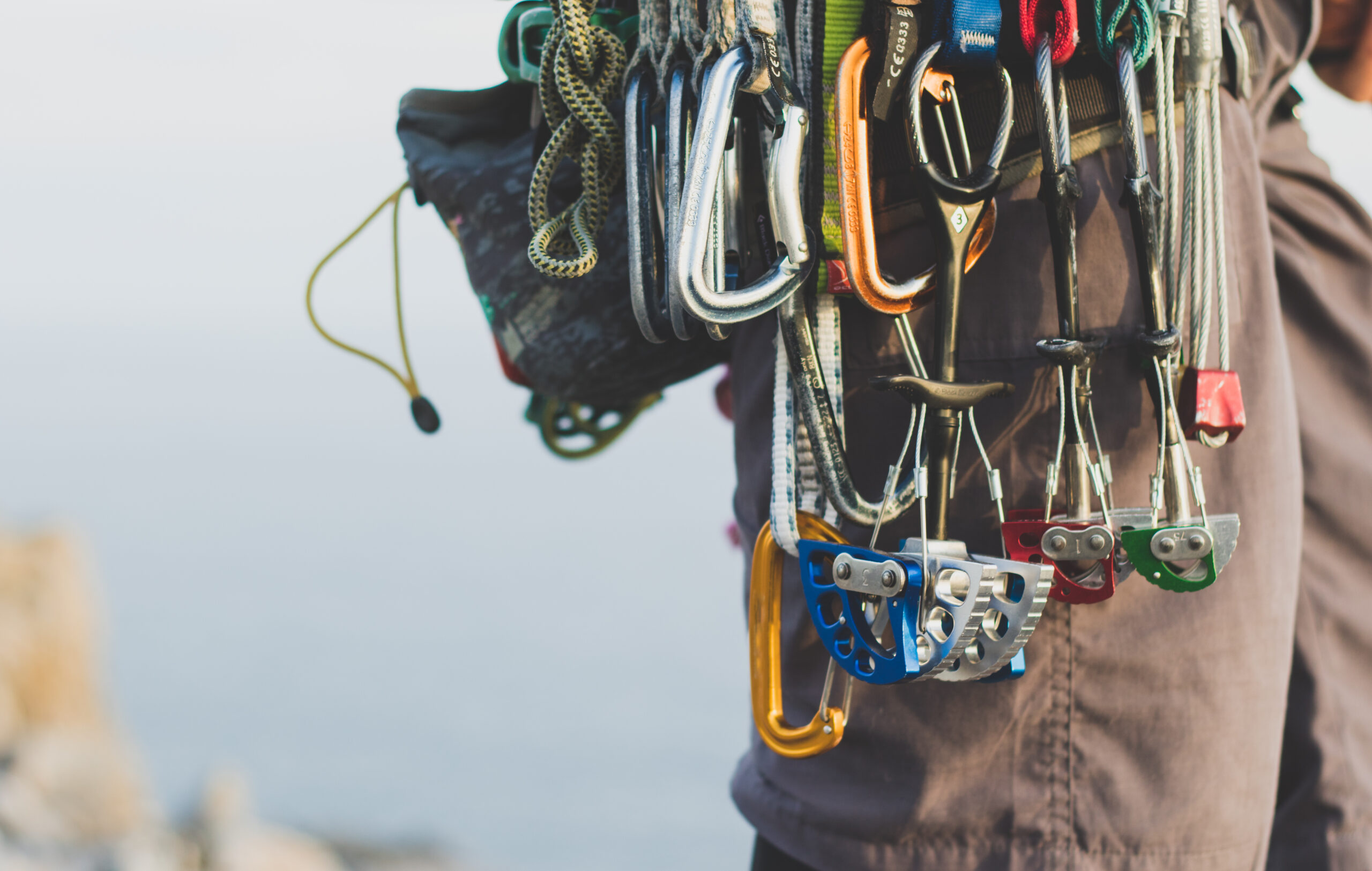
Before you start climbing, it’s important to understand the essentials.
• Belaying – The technique your partner uses to manage the rope and keep you safe. As you ascend, the belayer keeps the rope taut, catching you if you slip and lowering you smoothly when you’re done.
• Knots – The figure-eight knot is the most common for tying into the rope. Make sure it’s tied correctly and securely, as it plays an important role in safety.
• Belay Checks – Always double-check your harness, knots and rope setup before climbing. Both climber and belayer should confirm everything is secure.
Learn the Ropes
Climbing Commands
Clear communication keeps everyone safe:
• "On belay?” – The climber asks if the belayer is ready to manage the rope.
• "Belay on” – The belayer confirms they are ready
• “Climbing!” – The climber signals they are starting the ascent.
• “Climb on” – The belayer acknowledges the climber can begin.
• “Lowering” – The climber signals they are ready to be lowered back down.
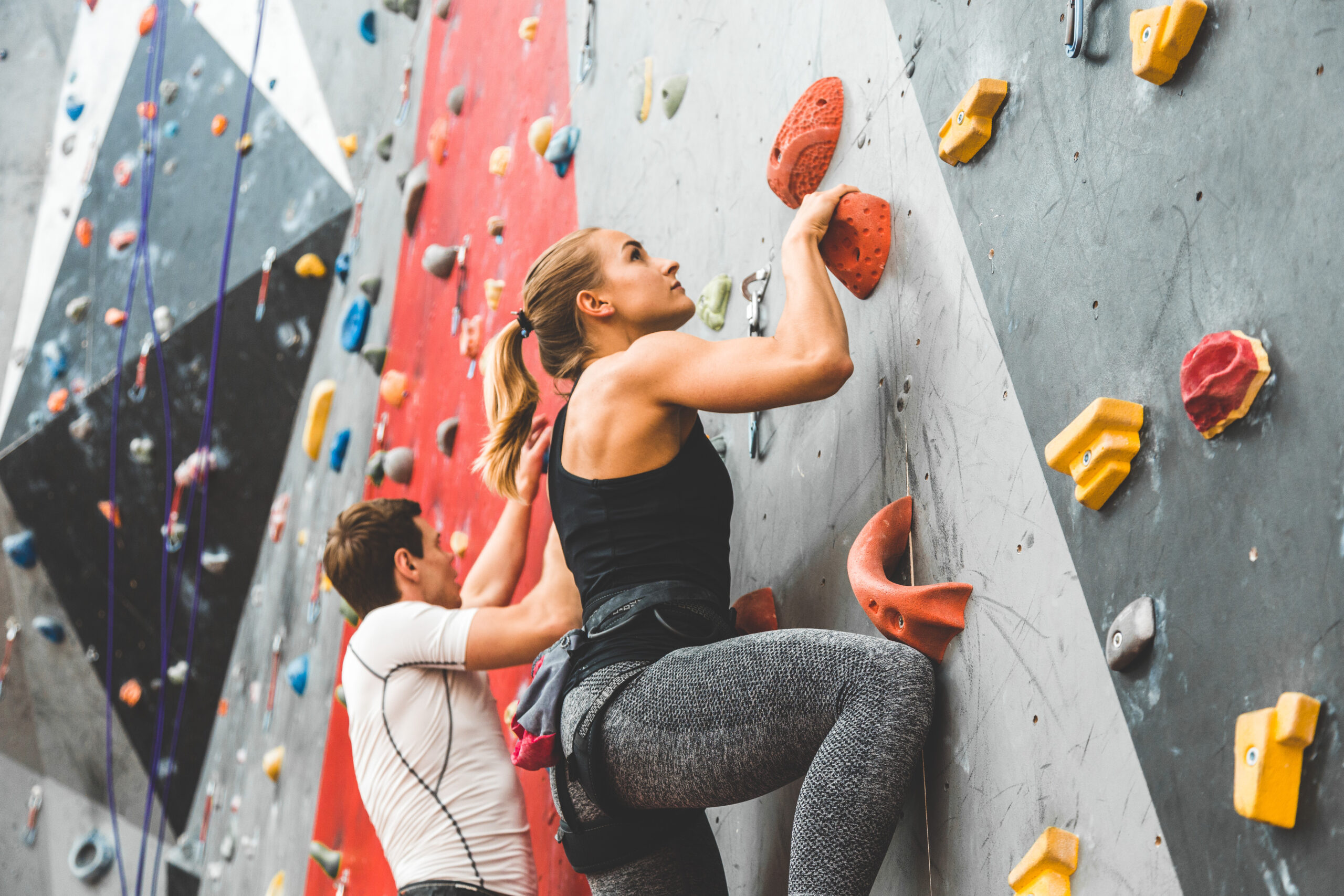
Take It Outside
Once you’ve gained confidence indoors, outdoor top-rope climbing is a whole new experience. Start with easy routes, double-check all anchor points and consider hiring a guide for your first outdoor climbs.
In the U.S., the Yosemite Decimal System (YDS) rates climbing difficulty. Most top-rope climbs fall in Class 5. Typically, 5.0–5.4 routes are beginner-friendly, 5.5–5.7 are moderate and 5.8+ gradually increase in difficulty. This rating system helps climbers choose routes that match their skill level.
Beginner Climbing Tips
• USE YOUR LEGS – Push with your legs instead of relying solely on your arms.
• PLAN YOUR MOVES – Look ahead to spot your next hand and foot placements.
• RELAX YOUR GRIP – Avoid over-gripping; it tires your muscles quickly.
• STAY CLOSE TO THE WALL – Keeping your hips in improves balance and efficiency.
Climbing offers new challenges at every level. Remember to stay curious, keep learning and enjoy the climb!
Janet Porterfield. LLC

13131 University Dr
Fort Myers, FL 33907
239-839-9599
janetporterfield@viprealty.com
I’d love to hear from you! Feel free to send me a message.
Janet Porterfield. LLC